







November 19, 2026
November 12, 2026
November 5, 2026
October 29, 2026
October 22, 2026
October 15, 2026
October 8, 2026
October 1, 2026
September 24, 2026
September 17, 2026
September 10, 2026
September 3, 2026
August 27, 2026
August 20, 2026
August 13, 2026
August 6, 2026
July 30, 2026
July 23, 2026
July 16, 2026
July 9, 2026
July 2, 2026
June 25, 2026
June 18, 2026
June 11, 2026
June 4, 2026
May 28, 2026
May 21, 2026
May 14, 2026
May 7, 2026
April 30, 2026
April 23, 2026
April 16, 2026
April 9, 2026
April 2, 2026
March 26, 2026
March 19, 2026
March 12, 2026
March 5, 2026
February 26, 2026
February 19, 2026
February 12, 2026
February 5, 2026
January 29, 2026
January 22, 2026
January 15, 2026
January 8, 2026
January 1, 2026
December 25, 2025
December 18, 2025
December 11, 2025
December 4, 2025
November 27, 2025
November 20, 2025
November 13, 2025
November 6, 2025
October 30, 2025
October 23, 2025
October 16, 2025
October 9, 2025
October 2, 2025
September 25, 2025
September 18, 2025
September 11, 2025
September 4, 2025
August 28, 2025
August 21, 2025
August 14, 2025
August 7, 2025
July 31, 2025
July 24, 2025
July 17, 2025
July 10, 2025
July 3, 2025
June 26, 2025
June 19, 2025
June 12, 2025
June 5, 2025
May 29, 2025
May 22, 2025
May 15, 2025
May 8, 2025
May 1, 2025
April 24, 2025
April 17, 2025
April 10, 2025
April 3, 2025
March 27, 2025
March 20, 2025
March 13, 2025
March 6, 2025
February 27, 2025
February 20, 2025
February 13, 2025
February 6, 2025
January 30, 2025
January 23, 2025
January 16, 2025
January 9, 2025
January 2, 2025
December 26, 2024
December 19, 2024
December 12, 2024
December 5, 2024
November 28, 2024
November 21, 2024
November 14, 2024
November 7, 2024
October 31, 2024
October 24, 2024
October 17, 2024
October 10, 2024
October 3, 2024
September 26, 2024
September 19, 2024
September 12, 2024
September 5, 2024
August 29, 2024
August 22, 2024
August 15, 2024
August 8, 2024
August 1, 2024
July 25, 2024
July 18, 2024
July 11, 2024
July 4, 2024
June 27, 2024
June 20, 2024
June 13, 2024
June 6, 2024
May 30, 2024
May 23, 2024
May 16, 2024
May 9, 2024
May 2, 2024
April 25, 2024
April 18, 2024
April 11, 2024
April 4, 2024
March 28, 2024
March 21, 2024

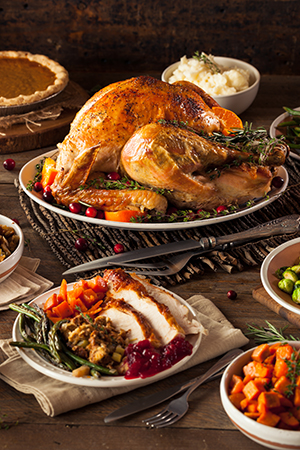 From turkey, stuffing and pie, Thanksgiving meals often come with a helping of health myths. Whether it’s blaming turkey for post-dinner drowsiness or assuming holiday weight gain is unavoidable, Dr. Samuel Akinyeye, a gastroenterologist at Houston Methodist Sugar Land Hospital, breaks down these misconceptions and explains what’s really happening in our bodies during the holiday season.